Skip to content
Table of Contents
Hair thinning and hair loss can affect more than just appearance; they often affect confidence and self-esteem as well. Many adults facing these challenges feel unsure about which hair restoration method will give them effective, lasting results. At Fuse Medspa & Wellness in Avon, CT, individuals seek solutions that fit their needs, lifestyle, and comfort level. This guide aims to clarify your options, from non-surgical treatments to surgical procedures, so you can make informed decisions about restoring hair and confidence.
Understanding Hair Loss
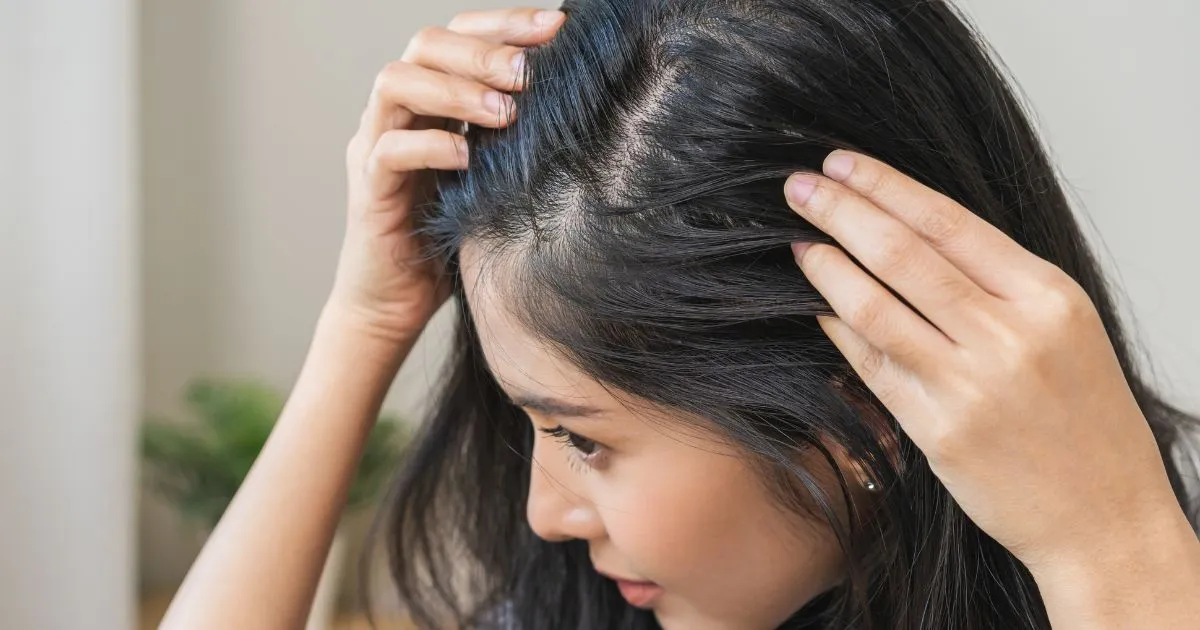
Hair loss can happen for many reasons. Genetics plays a significant role; male and female pattern baldness often follows family trends. Aging naturally thins hair over time, while medical conditions like thyroid disorders, hormonal changes, or autoimmune issues can also trigger hair shedding. Lifestyle factors, stress, diet, or certain medications, may contribute as well.
Experiencing hair loss can affect more than just physical appearance. Many people feel a dip in self-esteem, anxiety in social situations, or discomfort with their changing look. Understanding the root cause of hair thinning is essential before exploring treatment options.
What Is Hair Restoration?
Hair restoration refers to medical and cosmetic procedures aimed at improving hair density and appearance. The goal can vary: some people want to restore lost hair, while others want to prevent further thinning. Restoration doesn’t just mean transplanting or regrowing hair; it’s also about strengthening existing follicles, improving scalp health, and achieving a natural-looking result.
By approaching hair restoration with a comprehensive plan, you can address both current thinning and future hair loss, making your results more sustainable.
Non-Surgical Hair Restoration Solutions
Non-surgical approaches provide options for individuals seeking minimal downtime or those not ready for a surgical procedure. These treatments can stimulate hair growth, improve hair quality, and enhance overall scalp health.
Popular non-surgical hair restoration methods include:
Topical Treatments: Solutions such as minoxidil and specialized shampoos are applied directly to the scalp. They help stimulate follicle activity and slow hair loss. These treatments typically require consistent use for several months to see visible results.
Platelet-Rich Plasma (PRP) Therapy: PRP therapy uses your own blood, processed to concentrate growth factors, which are then injected into the scalp. It encourages hair follicles to enter the growth phase and can improve hair thickness over time. Patients often notice improvement within three to six months.
Low-Level Laser Therapy (LLLT): LLLT uses safe, low-level light to stimulate blood flow and hair follicle activity. Treatments are painless and non-invasive, often administered in sessions multiple times per week.
Scalp Micropigmentation (optional): This technique creates the appearance of fuller hair by adding pigment to the scalp, particularly useful for thinning areas or receding hairlines.
The advantages of non-surgical methods include minimal discomfort, no incisions, and a shorter recovery time. However, results vary based on age, severity of hair loss, and adherence to treatment schedules. Non-surgical options are best for early-stage thinning or those who prefer a gradual improvement.
Surgical Hair Restoration Solutions
For more significant hair loss, surgical methods provide permanent hair restoration by relocating hair follicles to thinning or bald areas.
Follicular Unit Transplantation (FUT) involves removing a strip of scalp from a donor area, typically at the back of the head, and dissecting it into individual follicular units for transplantation.
Follicular Unit Extraction (FUE) removes individual hair follicles directly from the donor area and implants them into thinning or bald spots. FUE generally leaves minimal scarring and has a faster recovery compared to FUT.
Surgical restoration offers more dramatic results than non-surgical methods. Patients can expect noticeable improvement within months, although full results often take up to a year. Recovery depends on the procedure: FUT may require a more extended healing period, while FUE allows a quicker return to regular activities.
The primary consideration with surgical methods is cost, healing time, and ensuring the procedure is performed by a qualified specialist. When done correctly, surgical restoration can provide a natural look that lasts for years.
Choosing the Right Hair Restoration Method
Selecting the best approach involves evaluating several factors. The severity and pattern of hair loss, age, health, lifestyle, and budget all influence which method will be most effective. Some patients combine non-surgical treatments with surgery for optimal results.
Consulting a hair restoration specialist ensures your plan matches your goals. A professional can assess hair density, examine the scalp, and recommend treatments that suit your needs. Personalized plans often yield the most satisfying results.
Hair Restoration Results and Recovery
Non-surgical treatments typically show gradual improvement. Topical solutions and PRP may take three to six months to produce visible growth, while laser therapy may require consistent use over several months. Maintaining these treatments is key to sustaining results.
Surgical restoration often produces faster visible improvement, but full growth and final density can take up to a year. Post-procedure care includes keeping the scalp clean, avoiding strenuous activity, and following the specialist’s instructions closely.
Understanding the expected timeline helps manage expectations. While results vary individually, combining proper care, follow-up treatments, and lifestyle support maximizes the chance of a successful outcome.
Finding Trusted Hair Restoration Services
When choosing a clinic, look for experience, certifications, and patient testimonials. Providers should offer clear explanations of procedures, expected results, recovery time, and potential risks.
For those in Avon, CT, local options such as Fuse Medspa & Wellness offer both surgical and non-surgical hair restoration treatments. Working with a trusted provider in your area ensures accessibility for consultations, follow-up appointments, and ongoing care.
Personalized attention is critical; hair restoration is not a one-size-fits-all process. Ensuring the clinic can tailor solutions to your hair type, loss pattern, and lifestyle is essential for the best results.
Bringing Back Confidence
Hair restoration addresses both the physical signs of hair loss and the emotional impact it can have. By exploring both non-surgical and surgical options, understanding expected outcomes, and consulting a qualified specialist, you can take actionable steps toward thicker, healthier hair.
If thinning hair or bald spots are affecting your confidence, taking the first step with a consultation can help clarify which treatments are right for you. With consistent care, realistic expectations, and professional guidance, it’s possible to achieve meaningful improvement in hair density and overall appearance.
Book your hair restoration consultation today! Visit Fuse Medspa & Wellness to schedule an appointment and explore personalized solutions for restoring hair and confidence.