Table of Contents
Fine lines can show up slowly, then one day they seem to stay even when your face is relaxed. That is usually where what are neuromodulators becomes a common question. Neuromodulators are injectable treatments that relax targeted facial muscles to soften expression lines without surgery.
At Fuse Medspa & Wellness, our neuromodulator options in Avon, CT, include Botox®, Dysport®, and Xeomin®, which are used to treat common dynamic wrinkles like forehead lines, crow’s feet, and frown lines between the brows.
What are neuromodulators?
Neuromodulators are injectable wrinkle relaxers that temporarily reduce muscle movement in targeted areas of the face. They help soften dynamic wrinkles caused by repeated expressions, including forehead lines, crow’s feet, and frown lines between the brows. At Fuse Medspa & Wellness, we offer Botox®, Dysport®, and Xeomin® for patients who want a smoother, more refreshed appearance without surgery.
What Are Neuromodulators?
Neuromodulators are injectable wrinkle relaxers that temporarily reduce muscle movement in specific areas of the face. When certain facial muscles contract over and over, they can create lines from expressions like squinting, frowning, smiling, or raising the eyebrows.
These are often called dynamic wrinkles because they form from repeated movement. Over time, those lines may become more noticeable even when the face is at rest. Neuromodulators help soften that movement so the skin above the muscle looks smoother.
At Fuse Medspa & Wellness, we offer Botox®, Dysport®, and Xeomin® as anti-aging injections for patients who want a smoother, more refreshed look without a surgical procedure. Each product works in a similar way, but the best option depends on your facial movement, goals, and provider assessment.
How Neuromodulators Work
Neuromodulators work by temporarily blocking nerve signals that tell certain muscles to contract. When the treated muscle relaxes, the repeated pulling on the skin is reduced, which can soften the look of lines and wrinkles.
This does not mean your face should look stiff or unnatural. Good neuromodulator treatment is about careful placement, appropriate dosing, and understanding how your facial muscles move together. The goal is usually to soften the lines that bother you while keeping your natural expression.
This is why the consultation matters. A small change in placement can affect how brows, eyes, or forehead movement look afterward. A personalized approach helps create results that look refreshed rather than overdone.
What Areas Can Neuromodulators Treat?
Neuromodulators are commonly used in the upper face because many expression lines start there. These areas tend to move often throughout the day, sometimes without you even noticing.
Common treatment areas include:
- Forehead lines from raising the eyebrows
- Crow’s feet around the outer corners of the eyes
- Frown lines between the eyebrows, sometimes called “11 lines.”
Treatment can also help improve the appearance of fine lines and wrinkles caused by repeated muscle activity. The plan should still be based on your face, not just a standard injection map. For example, one person may need a lighter touch in the forehead to preserve brow movement, while another may need more focus between the brows to soften a tense or tired look.
Benefits Of Neuromodulators
Neuromodulators can soften expression lines without surgery or a long recovery period. For many patients, that makes treatment easier to fit into a regular schedule.
Common wrinkle relaxers’ benefits include:
- Smoother-looking forehead lines, crow’s feet, and frown lines
- A more rested look without changing your natural features
- Quick treatment sessions with minimal discomfort for most patients
- Little downtime, so many patients return to normal activities afterward
- A personalized plan based on facial movement and treatment goals
Neuromodulators can also help reduce repeated muscle movement that makes certain dynamic wrinkles more noticeable over time. The goal is not to change your face completely, but to soften the lines that make you look tired, tense, or older than you feel.
Botox®, Dysport®, And Xeomin®: What Readers Should Know
When people search for Botox vs Dysport vs Xeomin, they usually want to know if these options are completely different. They are all neuromodulators, but each has its own formulation and may work better for different needs.
Here is a simple way to understand them:
- Botox®: A widely used option for temporarily smoothing forehead lines, crow’s feet, and frown lines.
- Dysport®: Often used for dynamic wrinkles and may show visible changes within a few days for many patients.
- Xeomin®: A purified option made without added accessory proteins.
The right choice depends on your facial movement, treatment history, goals, and how your muscles respond. We can help you compare your options during your consultation without making the decision feel more complicated than it needs to be.
What To Expect During A Neuromodulator Appointment
A neuromodulator appointment is usually simple and fairly quick. We will review your concerns, ask about your goals, and look at how your face moves when you smile, frown, squint, or raise your brows.
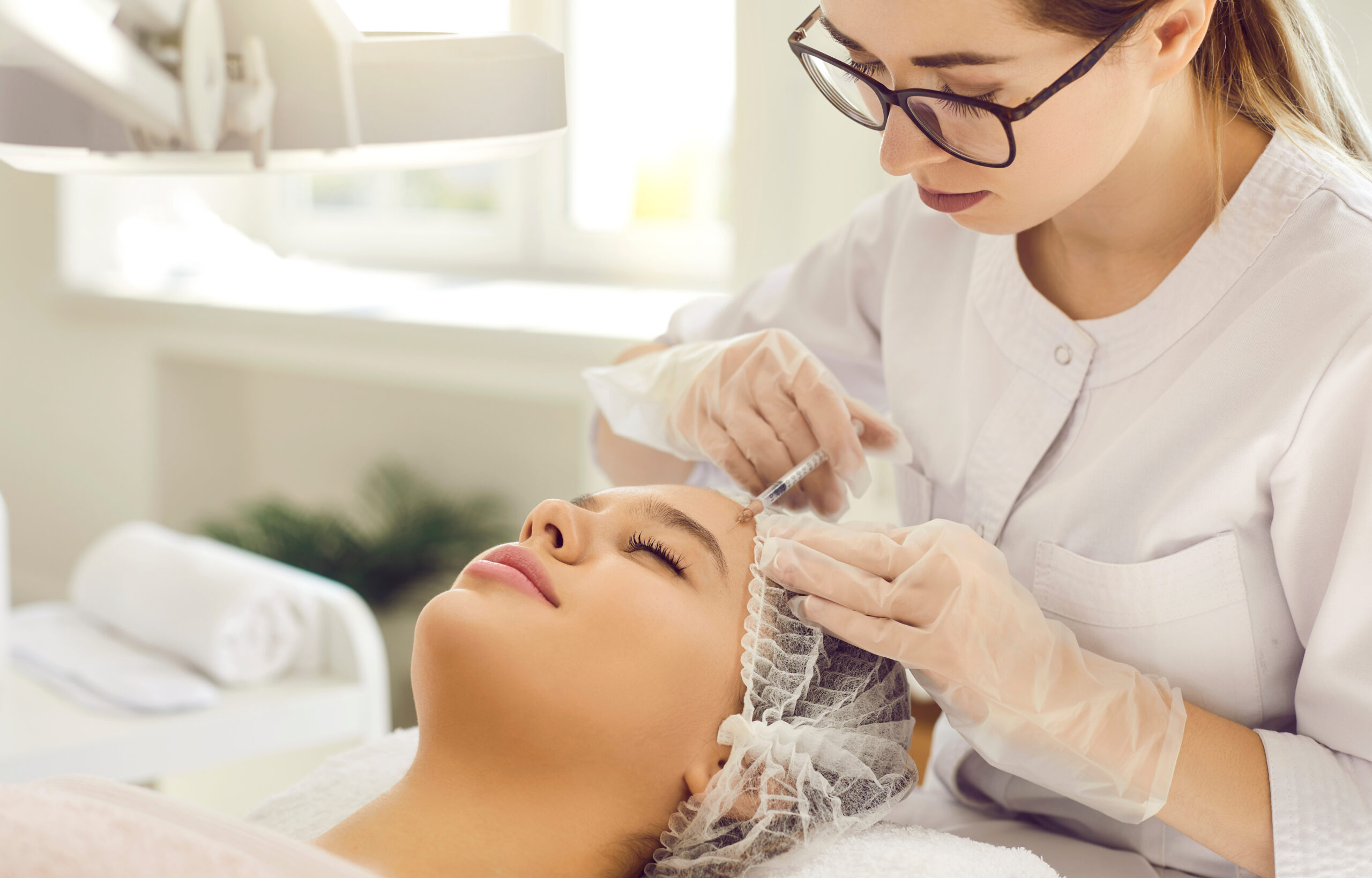
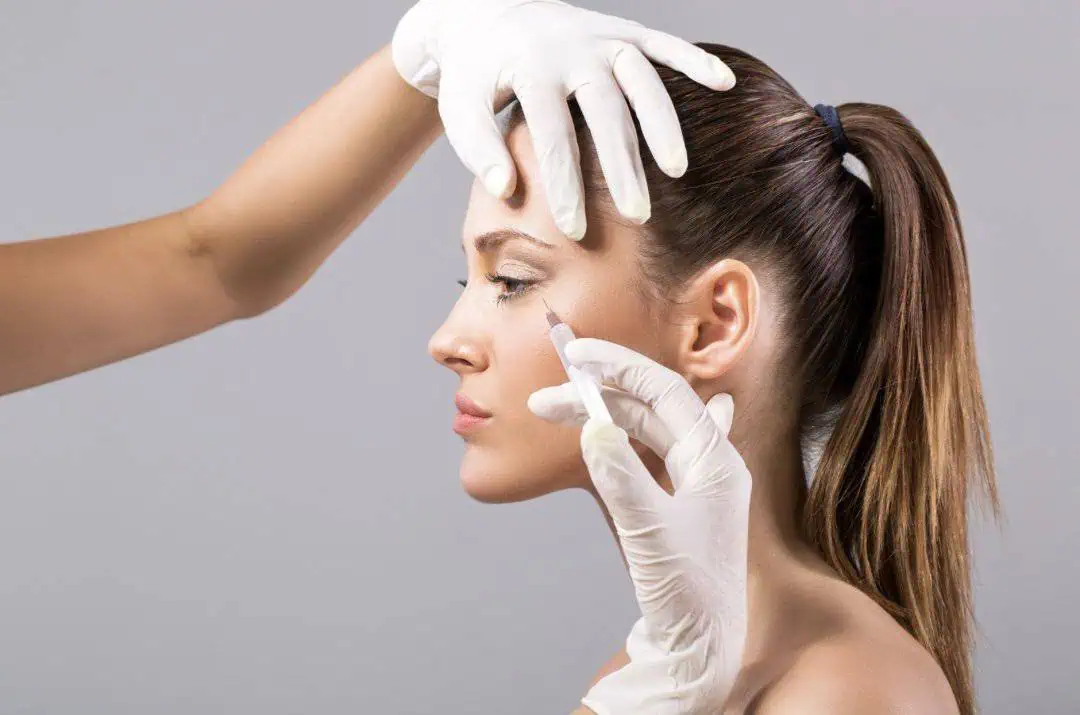
From there, the treatment areas are cleaned, and small injections are placed into targeted muscles using a fine needle. The appointment often takes about 10 to 20 minutes, depending on the areas being treated.
You may notice small bumps, redness, or tenderness at the injection sites right after treatment. These effects are usually temporary. Most patients can continue their day after the appointment, though we will give you aftercare instructions to help reduce the chance of irritation or unwanted product movement.
Results, Downtime, And Aftercare Basics
Neuromodulator results are not instant. Most patients begin noticing changes within 3 to 7 days, with fuller effects typically visible around 2 weeks. Results usually last about 3 to 4 months, although this can vary based on the product used, the treatment area, your metabolism, and how strongly your muscles move.
Downtime is usually minimal. Some patients may have mild redness, swelling, tenderness, or bruising around the injection sites, but these effects often fade within a few days.
Basic aftercare may include avoiding strenuous exercise, lying down, alcohol, blood-thinning products, and massaging the treated area for a short period after treatment. We typically recommend avoiding strenuous activity for a day and avoiding lying down or massaging the treated area for at least 24 hours after treatment.
Neuromodulator FAQs
What are neuromodulators, and what do they help with?
Neuromodulators are injectable wrinkle relaxers that soften dynamic lines caused by repeated facial movement, such as forehead lines, crow’s feet, and frown lines.
Who is a good candidate for neuromodulators?
Good candidates are healthy adults who want to soften expression lines and have realistic expectations. A consultation helps confirm if treatment is a safe fit.
Are Botox®, Dysport®, and Xeomin® the same?
They are all neuromodulators, but each has a different formulation. The best option depends on your goals, facial movement, and treatment history.
How long do neuromodulator results last?
Results usually last about 3 to 4 months, though this can vary based on the product, area treated, metabolism, and muscle activity.
Are neuromodulators the same as dermal fillers?
No. Neuromodulators relax muscle movement, while dermal fillers add volume or structure. They treat different concerns.
Feel More Confident About Your Next Step
Neuromodulators can be a practical option if expression lines are starting to bother you, especially if you want something non-surgical with little interruption to your routine. At Fuse Medspa & Wellness, our team takes a personalized approach to neuromodulators in Avon, CT, including Botox®, Dysport®, and Xeomin®, so your treatment plan fits your facial movement and goals. Book your consultation today to discover how neuromodulators can help you achieve smoother, younger-looking skin!